Cricklewood Broadway Removals: Best Routes for Vans
Posted on 27/04/2026
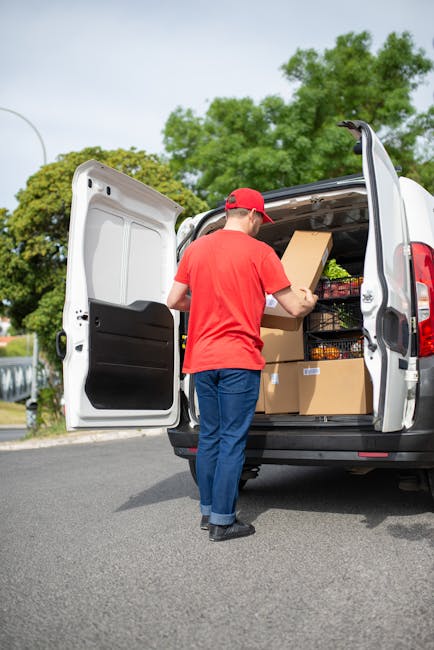
If you are planning a move around Cricklewood Broadway, the route your van takes can matter just as much as how well you pack the boxes. Narrow turns, busier stretches of road, delivery restrictions, awkward kerb space, and the simple reality of stopping somewhere safely all affect how smoothly the day runs. That is why Cricklewood Broadway removals are not just about lifting and loading; they are also about choosing the best routes for vans, timing the journey well, and avoiding the kind of surprises that turn a straightforward move into a long afternoon.
This guide breaks down the practical side of van routing for moves in and around Cricklewood Broadway. You will find clear planning steps, route-selection advice, common mistakes to avoid, and real-world moving considerations that help keep everything moving in the right direction. If you want a smoother move, fewer delays, and less stress, the route plan deserves proper attention.
Why Cricklewood Broadway Removals: Best Routes for Vans Matters
Cricklewood Broadway sits in a part of North West London where traffic flow, parking pressure, and loading access can shift quickly through the day. For removals, that makes route planning more than a nice extra. It is a core part of protecting your schedule, your goods, and your energy.
Even a short van journey can become inefficient if the driver meets congestion at the wrong time or has to circle the area looking for a workable stopping point. In removals, those lost minutes add up. A van that arrives late can create knock-on effects: rushed lifting, awkward coordination with building access, and more pressure on the people moving.
This is especially relevant for flats, shared houses, student moves, and office relocations where timing windows are tight. A good route plan helps ensure your man with a van in Cricklewood can arrive, load, and leave with less friction. It also supports safer handling, since a calmer journey usually means better loading discipline and fewer last-minute compromises.
There is a simple truth here: the route is part of the service. If you ignore it, you are leaving one of the most controllable parts of the move to chance.
How Cricklewood Broadway Removals: Best Routes for Vans Works
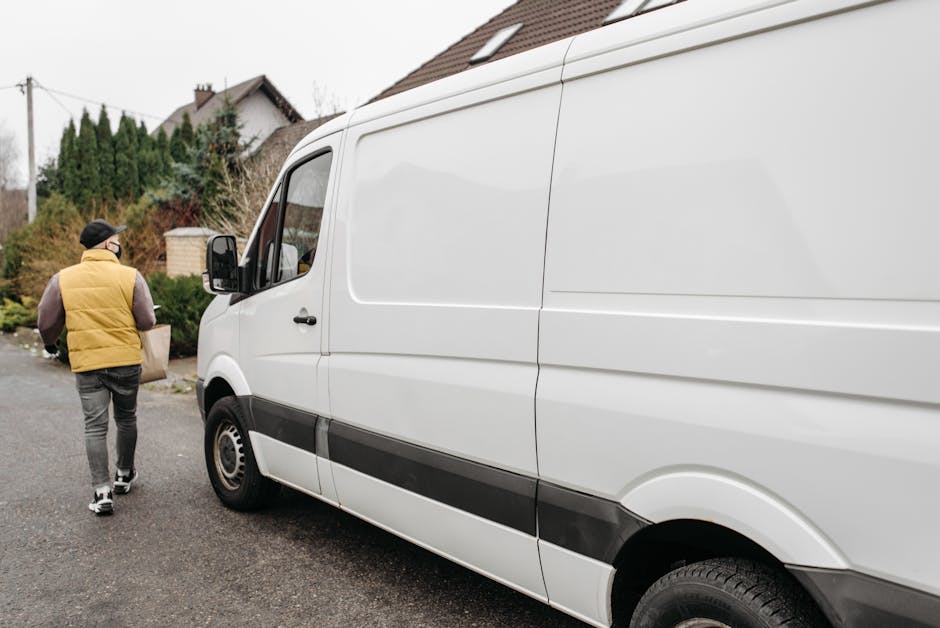
The best route for a removals van is not always the shortest route on a map. It is the route that balances access, road conditions, traffic patterns, vehicle size, and the practical need to unload without hassle.
In practice, that means checking several things before the van sets off:
- Whether the route includes wide enough roads for the vehicle size
- Where congestion is likely at the time of travel
- How close the van can get to the property entrance
- Whether there are restrictions on stopping, loading, or waiting
- Whether low bridges, height limits, or awkward turns could create problems
For many local moves, the driver may choose a main road for part of the journey, then switch to smaller local streets only when it improves access. That is often safer than trying to force a big van through the most direct route available. The better approach is not always glamorous, but it gets the job done.
Route planning also links closely with the type of move. A one-bedroom flat may need a compact vehicle and a quick turn-around. A larger family house may need multiple trips, a bigger van, or a more structured schedule. If you are still planning the wider move, it can help to review the house removals service in Cricklewood and the broader services overview so your route plan matches the scale of the job.
Key Benefits and Practical Advantages
Good route planning delivers practical gains that are easy to underestimate until the moving day is underway.
- Less wasted time: The van spends more time moving and less time idling in traffic or searching for access.
- Lower stress: Clear directions and a realistic route reduce uncertainty for everyone involved.
- Safer handling: If the driver is not rushed or frustrated, loading and unloading usually go more smoothly.
- Better timing with access slots: This matters in blocks of flats, managed buildings, or shared properties.
- Reduced risk of vehicle problems: Avoiding unsuitable roads helps protect the van and the items inside.
There is also a customer-experience benefit. A move that feels organised leaves a much better impression than one where the van arrives late, blocks the street, or has to be repositioned several times. For homes with awkward furniture, route efficiency becomes even more valuable, especially when you are using furniture removals in Cricklewood or moving heavier pieces that need care.
Expert summary: The best van route is the one that protects timing, access, and loading safety at the same time. Shortest is not always smartest.
Who This Is For and When It Makes Sense
This kind of planning is useful for almost anyone moving in the area, but some people feel the benefit more than others.
It makes especially good sense if you are:
- Moving from or to a flat where loading space is limited
- Working to a same-day schedule
- Handling furniture that needs careful movement through tight spaces
- Moving offices with equipment that must arrive on time
- Trying to avoid multiple failed parking attempts near the property
- Planning a student move with a short turnaround between tenancies
If you are coordinating a smaller job, a flexible man and van service can often adapt route choice around access more easily than a larger vehicle operation. If you are facing a tighter deadline, it may also be worth exploring same-day removals in Cricklewood, where route efficiency becomes part of the delivery promise.
Students, tenants, and homeowners alike benefit from the same principle: less guessing, more preparation. Even a small move can become complicated if the van cannot stop close enough to the entrance.
Step-by-Step Guidance
Here is a practical way to plan van routes for removals around Cricklewood Broadway without overcomplicating the process.
- Map both addresses clearly. Check the pickup and drop-off points, not just the postcodes. The final few streets often matter most.
- Identify access limitations. Note gates, one-way systems, narrow streets, resident-only zones, loading bays, and building entry points.
- Choose a vehicle that fits the route. A larger van is not always better if the road layout is tight. The right size can save time.
- Plan around traffic peaks. Morning and late-afternoon congestion can turn a short trip into a slow one. A slightly earlier or later slot may be kinder to the whole move.
- Confirm stopping space near both properties. If the van must park farther away, allow extra time for carrying items.
- Prepare the load order. Put the largest or most awkward items where they can be unloaded first if needed.
- Build in a margin. A good route plan includes time for delays, particularly if the property sits on a busy road.
If you are still getting organised, you may find it useful to read practical packing advice for moving day and decluttering guidance before the move. Both make route planning easier because a lighter, better-organised load is simply easier to handle.
One overlooked detail: ask yourself where the van will actually turn around if the first stopping point is unavailable. That tiny question can save a lot of awkward shuffling.
Expert Tips for Better Results
These are the kinds of details that tend to separate a tidy move from a frustrating one.
1. Use access, not distance, as your main decision factor
Ten minutes closer on the map can still be slower if it means a narrower street, a difficult turn, or a place where the van cannot pause legally or safely. Access beats distance every time.
2. Keep the final approach simple
The last few hundred metres often matter more than the first part of the journey. A route that keeps the van on a straightforward road until the end is usually easier to manage.
3. Match route planning to the items you are moving
A move with a piano, a freezer, or bulky sofas needs extra thought. For example, if you are relocating a keyboard instrument, professional handling matters as much as route choice, which is why many customers look at piano removals in Cricklewood alongside route planning. Large items can affect vehicle loading, turning, and unloading order.
4. Think about weather and daylight
Rain, low light, and icy conditions can slow loading and unloading even when the drive itself is fine. When conditions are poor, a route with simpler stopping options is usually preferable.
5. Keep communication open
If the van driver needs to adjust the route because of roadworks or unexpected congestion, quick communication helps avoid confusion. That is particularly useful for office moves or time-sensitive building access.
For heavier pieces, moving confidence matters too. If you are handling awkward items yourself, the practical advice in heavy-lifting guidance and kinetic lifting techniques can help reduce strain. A smooth route and safe lifting habits work best together.

Common Mistakes to Avoid
Most route problems are avoidable. The trouble is that they often look small on paper and become large in real life.
- Choosing the shortest route without checking access. This is probably the most common error.
- Ignoring local congestion patterns. A route that looks fine at noon may be painful at school-run or commute time.
- Forgetting about parking pressure. If the van cannot stop near the property, the whole move slows down.
- Overestimating van manoeuvrability. Not every street is friendly to larger vehicles.
- Failing to prepare the load order. If the first item needed is buried behind boxes, wasted time follows.
- Not checking for building restrictions. Shared entrances, concierge rules, or time windows can affect arrivals.
A common one, truth be told, is assuming that "just around the corner" means "easy." In city moving, corners can hide roadworks, no-stopping areas, or streets that are technically close but operationally awkward.
Another misstep is skipping proper cleaning and final prep, which can add pressure on move-out day. If you are nearing handover, the advice in strategic cleaning before moving out can make the whole process smoother, particularly when access times are fixed.
Tools, Resources and Recommendations
You do not need complicated technology to plan a good van route, but a few sensible tools can make the job easier.
- Map apps: Useful for checking direction, distance, and congestion in broad terms.
- Street-level checks: Satellite or street-view tools can help you assess tight roads, corners, and possible stopping points.
- Parking and access notes: Keep a simple list of where the van can legally or practically stop near each address.
- Inventory lists: Knowing what is being moved helps decide van size and loading order.
- Packaging supplies: Good boxes, wraps, and tape reduce handling problems and improve stack stability. See packing and boxes in Cricklewood for related support.
Storage can also play a role if you are staging part of the move. A secure temporary option such as storage in Cricklewood may help if the route, access timing, or completion date does not line up perfectly.
If you want a calmer moving day overall, it is worth reading how to move house without the stress and packing tips for an easier moving day. Good routing is only one piece of the puzzle, but it is a very useful one.
Law, Compliance, Standards, or Best Practice
For van removals in London, route planning should be shaped by basic road safety, parking law, and good operational practice. You do not need to be a transport specialist to get this right, but you do need to respect the practical realities of urban driving.
Key best-practice points include:
- Do not block pavements, driveways, junctions, or emergency access.
- Use loading areas only where permitted and suitable for the vehicle size.
- Check local restrictions and building rules before arrival when possible.
- Make sure the driver has enough time to complete loading safely rather than rushing to beat traffic.
- Use appropriate lifting and carrying methods to reduce injury risk.
If you are hiring a removals provider, it is sensible to review their public information on health and safety policy, insurance and safety, and terms and conditions. That gives you a clearer picture of how they work, how risks are managed, and what to expect if plans change.
For customers comparing providers, transparency matters too. A reliable team should be able to explain how they handle access issues, route changes, and loading constraints without sounding vague or defensive.
Options, Methods, or Comparison Table
Different route-planning approaches suit different move sizes. Here is a simple comparison to help you decide what fits your situation.
| Method | Best for | Strengths | Trade-offs |
|---|---|---|---|
| Shortest map route | Very small, simple moves | Quick to plan, easy to understand | May ignore congestion or access problems |
| Access-first route | Most local removals | Safer stopping, easier unloading, fewer surprises | May add a few minutes of travel time |
| Traffic-aware route | Peak-time journeys | Reduces delay risk and time pressure | Needs a bit more checking before departure |
| Vehicle-size-led route | Large vans or awkward properties | Better turning, safer road fit, less manoeuvring | Requires the most planning and local awareness |
For most Cricklewood Broadway removals, the access-first route is the best all-round choice. It is usually the most realistic balance of speed, safety, and convenience.
Case Study or Real-World Example
Consider a typical one-bedroom flat move from a side street near Cricklewood Broadway to another address a short drive away. On paper, the journey looks simple: close distance, no major motorway travel, and a modest load. In practice, the route still matters a great deal.
The first property has limited roadside space, so the van cannot wait long out front. The second property sits on a busier road, where stopping outside is possible only for a short window. If the driver takes a route that avoids a congested junction and arrives just after the commuting rush, loading and unloading can be completed with far less pressure.
In this kind of move, the most successful plan usually includes:
- Early confirmation of the van size
- Clear load order for beds, boxes, and fragile items
- A simple route that prioritises stopping access over raw distance
- Buffer time in case the first property takes longer to clear than expected
That same logic applies to other moves too. A student move, for example, may only involve a few items, but if the van cannot stop safely, even a "small" relocation becomes tiring. For renters, it is often worth pairing route planning with flat removals in Cricklewood and basic move-out preparation. The route is easier when the load is organised and the schedule is realistic.
Practical Checklist
Use this checklist before the van sets off.
- Pickup and drop-off addresses confirmed
- Access restrictions noted for both properties
- Van size matched to street conditions
- Parking or loading space checked in advance
- Traffic timing reviewed for the chosen day
- Fragile and heavy items packed and labelled clearly
- Load order planned for easy unloading
- Contact details shared with the driver or removals team
- Backup plan prepared if stopping space is unavailable
- Storage option considered if the move is split across dates
If you are moving a full household, it may also help to review decluttering before a move and guidance for bed and mattress relocation. Those pieces can significantly reduce loading pressure, which in turn makes routing and timing simpler.
Conclusion
For removals around Cricklewood Broadway, the best van route is the one that gets you there efficiently, safely, and with the least amount of friction. That means thinking beyond distance and looking at access, timing, parking, and the practical needs of the move itself. When you get those details right, the whole day feels more manageable.
Good route planning protects more than the schedule. It supports better loading, calmer teamwork, and a smoother handover at the other end. That is the real value: fewer surprises and more control.
If you are planning a move soon, take a moment to line up the route, the vehicle, and the rest of the logistics before moving day arrives. A little preparation goes a long way.
Get a free quote today and see how much you can save.