Gladstone Park Removals: Access, Parking and Best Routes
Posted on 13/05/2026
Moving in Gladstone Park can look straightforward on a map, but the reality on the ground is often a bit more complicated. Narrow residential roads, parked cars, short loading windows, and the usual London mix of one-way streets and busy junctions can turn a simple van arrival into a small puzzle. That is exactly why Gladstone Park Removals: Access, Parking and Best Routes matters so much. If you plan the approach properly, you save time, reduce stress, and make the whole move feel calmer from the first box to the last.
In this guide, we'll walk through the practical side of moving in and around Gladstone Park: how access tends to work, where parking usually becomes tricky, which route choices are worth considering, and what to do before moving day so your removal vehicle can get in and out without drama. You'll also find a checklist, a comparison table, and a few real-world tips that are easy to act on straight away. Let's face it, nobody wants a van circling the block while the kettle's already packed.
Why Gladstone Park Removals: Access, Parking and Best Routes Matters
In removals, access is not just a nice extra detail. It often decides how long a job takes, how many trips are needed, whether heavy items can be loaded safely, and whether the move starts smoothly or ends up being a bit of a headache. Around Gladstone Park, that matters because residential streets can be tight, parking can be limited, and the best route for a van is not always the most obvious one on a sat nav.
If you are moving from a flat, a family home, or a ground-floor property with awkward frontage, the difference between a good plan and a poor one can be huge. A poorly parked van may add walking distance, delay loading, or block the crew from using dollies, trolleys, or furniture blankets properly. Even a small access issue can snowball when stairs, corners, or shared entrances are involved.
There is also the human side. Moving day is already full of moving parts: keys, boxes, neighbours, lifts, children, pets, and all the little things that seem to disappear just when you need them. A clear access and parking plan removes a lot of that background stress. It helps the team focus on the actual job instead of improvising on the pavement.
For many people, this is the difference between a move that feels controlled and one that feels chaotic. If you want the broader moving process to feel more manageable, it helps to pair route planning with good prep, like decluttering before you move and using sensible packing tips for moving day.
How Gladstone Park Removals: Access, Parking and Best Routes Works
The process is really about breaking the move into three linked decisions: how the van will access the property, where it will park safely and legally, and which route gives the cleanest run in and out of the area. Get those three right and the rest tends to fall into place.
Access refers to the physical route from the vehicle to the property. That might mean a front door on a busy road, a communal entrance in a block of flats, a rear service access, or a side passage that is useful but a bit narrow. The best access route is the one that keeps lifting distance short and avoids obstacles like low railings, steep steps, awkward turns, or soft ground after rain.
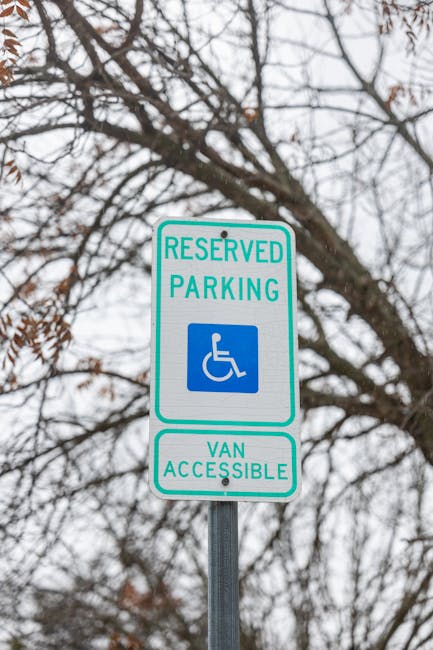
Parking is about safely positioning the van near enough to make loading efficient while staying within local parking rules and common courtesy. In London, that usually means being careful about yellow lines, permit bays, timed restrictions, driveways, dropped kerbs, and school-time congestion. You may be able to load from one side of the street only, or you may need a temporary arrangement that allows a short stop while the crew works briskly.
Best routes are the roads that help the van reach the property with the least friction. Sometimes the shortest route is not the best route. A slightly longer approach may avoid a tight turn, a low bridge, or a section of heavy traffic that would otherwise throw your timing off. If your move involves broader local travel patterns, it can help to read a route-focused guide such as best routes for vans around Cricklewood Broadway, which shows how local road knowledge often beats guesswork.
In practice, a good removal company will usually ask for a few key details in advance: property type, floor level, parking situation, lift access, any bulky items, and whether there are time limits on loading. That is not overkill. It is the groundwork that prevents ugly surprises.
Key Benefits and Practical Advantages
Planning access, parking, and route details properly gives you more than convenience. It can improve safety, lower the risk of delays, and make the whole removal feel more professional.
- Faster loading and unloading: shorter carrying distances usually mean less time spent walking boxes back and forth.
- Lower risk of damage: fewer awkward turns, less rushing, and better control around entrances and stairwells.
- Less stress on moving day: when the van has a clear place to stop, everyone can get on with the job.
- Better safety: well-planned access reduces the chances of trips, strains, or collisions with walls, doors, and railings.
- Cleaner scheduling: if the parking and route are sorted, it is much easier to time the rest of the day.
There is another benefit people sometimes overlook: good route planning helps protect fragile items because the team can work at a steadier pace. That matters especially for awkward loads like sofas, beds, pianos, and integrated appliances. For example, if you are moving a large corner sofa, a little extra preparation can make a big difference, and it is worth looking at how to preserve a sofa during storage and transit if the item is being stored or moved in stages.
Truth be told, a smooth move often looks boring from the outside. No drama. No shouting across the street. No sudden reshuffle of boxes because the van cannot fit where it was supposed to. That boring outcome is usually the sign of good planning.
Who This Is For and When It Makes Sense
This topic is relevant for just about anyone moving in or out of the Gladstone Park area, but it is especially useful if your move has any of the following features:
- You live on a narrow residential street or near busy local roads.
- You are moving from a flat, maisonette, or top-floor property.
- You have large furniture or white goods that are awkward to carry.
- Parking near the entrance is limited or controlled.
- You are moving on a tight timetable, such as between tenancies.
- You are coordinating a family move, which usually means more bags, more boxes, and more variables.
- You need a same-day or short-notice move and cannot afford repeated delays.
It also makes sense for students, first-time movers, landlords, and small businesses that need a practical, no-nonsense approach. If you are looking at a smaller move, a man and van service in Cricklewood or a dedicated removal van option may be a better fit than a larger full-house operation. On the other hand, if you are clearing an entire property, a full house removals service may be more suitable.
In our experience, the people who benefit most from route and parking planning are those who think they do not need it. Usually that's when the local parking restrictions or building layout decide otherwise. A little planning saves a lot of swearing. Fair enough, that happens to the best of us.
Step-by-Step Guidance
Here is a practical way to plan a removals job in Gladstone Park without turning it into a project.
- Check the property layout. Walk from the front door to the road, or from the flat entrance to the nearest safe loading point. Look for steps, tight turns, locked gates, low walls, or anything that might slow down a trolley.
- Identify the best loading side. Sometimes one side of the street works better because of parked cars, bay markings, or visibility. A few metres can change the whole job.
- Review parking restrictions. Check signs carefully and, where necessary, confirm whether a permit or loading allowance is needed. Do not assume a short stop is fine just because the street looks quiet.
- Map the route for the van. Use a sensible navigation tool, but sanity-check it against real road conditions. Vans do not like tight corners, surprise width restrictions, or roads with awkward turning circles.
- Prepare the large items first. Beds, wardrobes, freezers, pianos, and heavy sofas should be ready before the team arrives. If you need help with specialist items, these guides can be useful: moving beds and mattresses, storing an unused freezer properly, and professional piano moving.
- Label boxes by room and priority. That makes unloading quicker and helps avoid the "where did the kettle go?" problem.
- Share access notes with your movers. A short message about the front gate, shared hallway, intercom, or step-free entrance can save a lot of time later.
- Build in a buffer. London traffic and parking are not always predictable. A little wiggle room helps.
If you are moving from a flat or upper-floor property, it can also help to compare service types before you book. For example, flat removals can be a better fit where stairs, lifts, and shared entrances need more careful handling. Likewise, businesses may want to look at office removals support if the move includes desks, filing, and workstations.
Expert Tips for Better Results
A few small adjustments can make a big difference on moving day. None of these are flashy. They just work.
- Visit the street at the same time of day you plan to move. Morning traffic, school runs, and evening parking patterns can look very different from a quiet midday visit.
- Measure awkward items. If a sofa or wardrobe barely fits through a hallway on paper, treat that as a warning sign in real life.
- Keep the entrance clear. Shoes, plants, recycling bins, and loose rugs become obstacles very quickly.
- Protect floors and door frames. A bit of care up front is far cheaper than repairing scuffs afterwards.
- Use the right packing materials. Strong boxes, tape, wrapping, and mattress protection are not overkill; they are practical tools. If you need a refresher, see packing supplies and boxes advice.
- Ask about insurance and safety. It is sensible to understand how items are handled and what coverage or procedures apply. A clear overview is available on the insurance and safety page.
One small but valuable habit: leave a clear path from the front door to the van. Sounds obvious, but people often forget the hall fills up with half-packed bags and random bits of packaging. Then everyone is stepping around a lamp and a toaster. Not ideal.
If you are trying to reduce waste at the same time, consider whether anything can be reused, donated, or recycled. A practical approach to this is covered in recycling and sustainability guidance.

Common Mistakes to Avoid
Most moving problems in local areas like Gladstone Park are not dramatic. They are small avoidable errors that add up. Here are the ones that cause the most trouble.
- Assuming the van can park anywhere: a quiet road still may have restrictions, resident bays, or a driveway you must not block.
- Ignoring turning space: a van that cannot turn safely can create delays before unloading even begins.
- Forgetting about height and width limits: some routes are fine for cars but uncomfortable for larger vehicles.
- Not telling movers about stairs or access codes: that one is a classic. It sounds minor, but it wastes time quickly.
- Packing too late: late packing leads to loose clutter near entrances, and that slows everything down.
- Leaving specialist items until the end: pianos, fridges, and large beds need proper planning, not last-minute optimism.
There is also a mental mistake: treating access planning as something only the removal crew needs to worry about. In reality, you are part of the information chain. The better your notes, the smoother the move. It's a team effort, really.
If the move feels like a lot, you are not alone. A calmer mindset can help, and this guide on moving house without the stress is a useful read before the big day.
Tools, Resources and Recommendations
You do not need a huge toolkit to plan a move well, but a few practical resources are worth having to hand.
| Tool or Resource | What It Helps With | Why It's Useful |
|---|---|---|
| Street view / map check | Route planning and turning points | Helps you spot awkward corners before the van arrives |
| Parking sign check | Loading restrictions and bay rules | Reduces the risk of a last-minute parking issue |
| Measuring tape | Furniture dimensions and doorway clearance | Useful for sofas, beds, wardrobes, and appliances |
| Labels and marker pens | Room sorting and priority loading | Makes unloading quicker and less chaotic |
| Protective wrapping | Surface protection | Helps prevent scratches on furniture and walls |
In addition to the practical items above, service pages can help you choose the right support level. If you want a broader view of options, the services overview is a good starting point. If you are comparing providers, the removal companies page may help you understand what to look for.
For budget planning, it is sensible to request a quote early. Transparent pricing usually makes it easier to decide whether you need full-service removals, a van-only option, or a more flexible arrangement. You can read more on pricing and quotes.
Law, Compliance, Standards, or Best Practice
For local removals, the main compliance issues are usually practical rather than complicated. You are generally looking at road safety, parking restrictions, safe loading, and reasonable care around property and public spaces. It is wise to check local parking rules before moving day, especially if you need to stop close to the entrance or use a controlled bay.
Best practice in removals also means treating access planning as part of safety planning. That includes keeping walkways clear, not overloading boxes, using suitable lifting methods, and communicating known hazards like broken paving, steep steps, or fragile flooring. In a narrow street, one careless lift can create a knock-on effect for everyone around you.
It is also good practice for movers to carry out work in line with their own safety procedures, especially where heavy furniture, awkward lifting, or busy roadside loading is involved. If you want to understand the company's approach in more detail, the health and safety policy is worth a look. For service expectations and responsibilities, the terms and conditions page can also help.
None of this is meant to sound fussy. It's just the grown-up side of removals. You plan enough to keep people safe and to avoid surprises, then you get on with the move.
Options, Methods, or Comparison Table
Different move types suit different levels of access planning. Here is a simple comparison to help you choose the right approach.
| Method | Best For | Pros | Watch Out For |
|---|---|---|---|
| Small man and van move | Studios, small flats, single-room moves | Flexible, often quicker to organise, easier in tight streets | Limited capacity for larger household loads |
| Full house removals | Family homes, larger properties, full relocations | More capacity, more team support, better for heavy furniture | Needs stronger parking and access planning |
| Flat removals | Shared buildings, upper floors, lift or stair access | Tailored handling for stairs, corridors, and communal spaces | Can be slowed by lift waits or narrow entrances |
| Same-day removals | Urgent, short-notice situations | Fast response and practical problem-solving | Less time for parking prep and route refinement |
If your move is small and the road layout is straightforward, a man with a van setup may be enough. If timing is tight, you may want to explore same-day removals. If the job is more specialised, for example with heavy furniture or office equipment, a dedicated service may be the safer call.
Case Study or Real-World Example
Imagine a move from a first-floor flat near Gladstone Park with a shared entrance, limited frontage, and resident parking on both sides of the street. The property itself is not difficult, but the access details are doing all the work here. The client has a sofa, a bed frame, a fridge freezer, and several heavy boxes packed a bit too enthusiastically.
On paper, it sounds manageable. In reality, without planning, the van might end up too far from the door, making every item a longer carry. If the street is busier than expected in the morning, parking could become a moving target. One person would be holding the lift open, another waiting with a trolley, and somebody would be trying to keep the hallway clear. Not ideal.
With a few sensible steps, the picture changes. The client checks loading space the day before, clears the hallway, measures the sofa, labels the boxes, and lets the movers know about the stairs and entrance details. The team arrives with the route already in mind, parks where access is simplest, and gets the heavier items out first. The move still takes effort, of course, but the effort goes into lifting and loading rather than problem-solving at the kerb.
That's the real point. Good access planning does not make a move glamorous. It makes it manageable.
Practical Checklist
Use this checklist in the days before your move. A quick run-through can save a lot of hassle.
- Confirm the property address, floor level, and entrance details.
- Check whether any parking restrictions apply near the property.
- Identify the easiest van stopping point for loading and unloading.
- Measure large furniture and key doorways.
- Clear hallways, stairwells, and the route to the exit.
- Pack and label boxes by room.
- Set aside essentials for the first night.
- Prepare fragile items with proper wrapping.
- Separate specialist items such as pianos, mattresses, and appliances.
- Share access notes and any timing restrictions with the removal team.
- Have keys, codes, and contact details ready.
- Build in a little time margin for traffic or parking changes.
If you are doing a full tidy-up before the move, it can also help to follow a room-by-room clean so you do not leave the property rushed or cluttered. A useful companion read is strategic cleaning before the big move out.
Expert summary: In Gladstone Park, the best removals are rarely the ones with the biggest van or the fastest driver. They are the ones where access is clear, parking is realistic, the route is chosen with care, and the move is prepared like a proper project rather than a last-minute scramble.
Conclusion
Gladstone Park removals are much easier when access, parking, and best routes are treated as part of the move itself, not as an afterthought. A few small decisions - where the van stops, how the crew reaches the door, which roads to avoid, and how the bulky items are prepared - can change the whole experience. It is the kind of planning that does not look exciting, but it quietly saves time, energy, and stress.
Whether you are moving a flat, a family home, or a short-notice load, the same principle applies: think ahead, keep the path clear, and choose the route that makes the job safer and simpler. If you are weighing up different support options, take a look at the relevant service pages, compare what fits your situation, and use the guides above to prepare properly. A smooth move is a rare thing in London, but absolutely possible. And yes, it usually starts with parking.
Get a free quote today and see how much you can save.
Take a breath, get the details sorted, and the rest will feel much more doable.