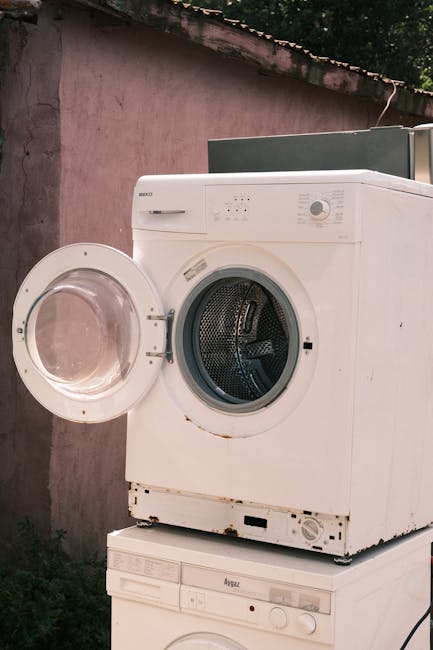
Bulky Item Disposal in Cricklewood: White Goods and Furniture
Posted on 02/06/2026
If you've ever stared at an old fridge in the kitchen corner or a sofa that simply will not fit through the hallway, you'll know bulky item disposal has a habit of becoming urgent fast. Bulky Item Disposal in Cricklewood: White Goods and Furniture is not just about getting rid of "stuff"; it's about moving large, heavy items safely, legally, and without turning your home into a temporary storage depot. In a place like Cricklewood, where flats, maisonettes, and tight access roads are all part of daily life, the right plan matters. This guide walks you through the process, the decisions that matter, and the practical steps that make the whole thing less stressful. Honestly, it can be simpler than people expect.
Why Bulky Item Disposal in Cricklewood: White Goods and Furniture Matters
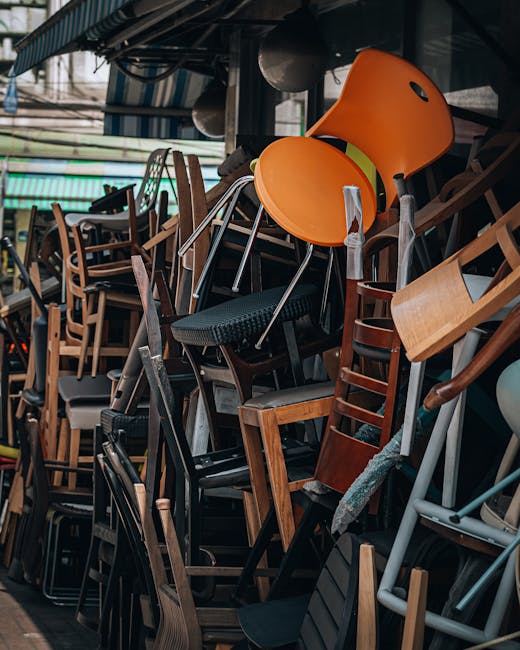
Bulky items create problems that smaller rubbish simply doesn't. A broken washing machine is awkward, a three-seat sofa is awkward, and together they can block a hallway, damage walls, and make a routine clear-out feel oddly overwhelming. In Cricklewood, where many homes have stairs, narrow entrances, shared access points, or limited parking, the challenge is even more obvious.
White goods deserve special attention too. Fridges, freezers, ovens, dishwashers, and tumble dryers are not ordinary household waste. They often contain heavy components, electrical parts, and materials that should be handled responsibly. Furniture brings its own issues: splintered frames, hidden nails, fabric dust, and sheer size. You can't just toss most of it out and hope for the best. Well, you could try, but it would be a messy afternoon and probably not a legal one.
Good disposal matters for three reasons: safety, compliance, and convenience. It reduces lifting injuries, helps keep communal areas clear, and makes sure reusable or recyclable materials are handled properly. It also gives you back space, which is underrated until you actually need it. A spare room full of old furniture doesn't feel like extra room. It feels like a problem.
For local residents, another point matters: timing. If you are moving out, refurbishing, downsizing, or replacing appliances, bulky item removal often sits right in the middle of a much bigger task. That is where services and planning become valuable, especially if you are already coordinating packing, cleaning, and access. If you're working through a wider move, it may help to read practical decluttering tips for a smoother move alongside this guide.
How Bulky Item Disposal in Cricklewood: White Goods and Furniture Works
The basic process is straightforward, but the details matter. Most bulky disposal jobs follow a similar pattern: identify the items, check what can be reused or recycled, prepare them for removal, then arrange collection or transport. The difference between a smooth job and a frustrating one is usually preparation.
1. Identify what needs to go
Start by making a simple list. Separate appliances from furniture. A fridge, freezer, sofa, bed frame, wardrobe, mattress, and dining table all need slightly different handling. If you have mixed materials, like a sofa bed or an integrated appliance, note that too. These are the items that tend to catch people out.
2. Check condition and reuse potential
Not everything needs to be disposed of. Some furniture can be passed on, sold, or stored; some appliances may still have life left in them if they're working and clean. If you are not sure, ask yourself: is this item genuinely beyond use, or is it just no longer suited to this home? That question saves a lot of unnecessary waste.
For items you plan to keep, short-term storage may be the smarter move. We've seen many households in Cricklewood store a bulky sofa or spare freezer for a while rather than rush a decision. If that sounds familiar, the guide on preserving a sofa in storage and the advice on storing an unused freezer safely are both useful next reads.
3. Prepare the item
Preparation depends on the item. White goods should usually be disconnected safely, emptied, defrosted if needed, and dried out before collection. Furniture should be cleared of loose items, drawers secured, and any fragile parts removed if possible. For beds, it helps to strip everything back so the frame is easier to carry. Small step, big difference.
4. Choose the right disposal route
This is where people often get stuck. Your options can include reuse, private collection, specialist removal, or recycling-led disposal. The right choice depends on condition, urgency, access, and how much lifting is involved. If parking is limited or the item is especially heavy, you will usually want a removal team that understands local access and can bring the right vehicle and equipment. For broader transport help, removal services in Cricklewood can be a sensible option when bulky items are part of a bigger job.
5. Move the items out carefully
This is the part people underestimate. A wardrobe can catch a doorframe. A fridge can scrape a wall. A sofa can twist awkwardly on the stair bend. Controlled lifting, the right straps, and a measured route through the property matter a lot. If an item is genuinely awkward, treat it as a two-person job at minimum. Better still, get help that is used to heavy lifting. One rushed turn on the stairs can change the whole day.
Key Benefits and Practical Advantages
There's a reason people search for bulky disposal help rather than attempting it themselves. Once you look at the practical advantages, the choice makes sense.
- Less physical strain: Large appliances and furniture are awkward, heavy, and easy to injure yourself with.
- Cleaner exit from the property: Useful if you are moving out, selling, or preparing for decorating work.
- Better use of space: A clear room is easier to clean, inspect, and repurpose.
- Reduced damage risk: Professional handling helps protect floors, doors, and communal areas.
- More responsible disposal: Reusable and recyclable items are easier to divert from landfill when handled properly.
- Less stress overall: You get a process instead of a pile of worry.
There is also a practical timing advantage. Disposal can be coordinated with cleaning, storage, or the move itself, which cuts down on back-and-forth. That matters if your building has narrow hallways or you are dealing with a busy street near Cricklewood Broadway or around the station. Scheduling around access, not against it, is usually the smart move.
Key takeaway: The best bulky item disposal is rarely the cheapest-looking option at first glance. It is the option that saves time, avoids damage, and handles awkward items properly the first time.
Who This Is For and When It Makes Sense
This kind of disposal service is useful for a wider group than many people think. It is not only for house moves. In fact, plenty of jobs start with one item and end up involving half a room.
Homeowners and renters clearing space
If you are replacing old furniture, clearing a spare room, or making space for a renovation, bulky item disposal can be the final step that makes the project feel finished. Renters may also need to leave a property clear and tidy before check-out, which is where timing gets tight.
People moving house or flat
Moves have a way of exposing everything you no longer want to keep. That old mattress? The freezer in the corner? The sofa that didn't fit the last layout? These decisions tend to arrive all at once. If you're in that phase, a general moving guide like how to move house without the stress can help you sequence the job properly.
Students and flat sharers
Students and sharers often deal with compact flats, shared stairs, and tight budgets. One broken item can be enough to clutter a whole living area. When you have limited space, clearing a large piece of furniture can make the home feel usable again. If you're in a smaller property, flat removals in Cricklewood may overlap neatly with disposal planning.
Landlords, agents, and property managers
End-of-tenancy clearances often involve bulky items left behind. Fast, tidy removal helps get the property back on the market or ready for maintenance. It's not glamorous work. Let's face it, sometimes it's the least glamorous part of the whole process. But it matters.
When it makes sense to book help
It usually makes sense when one or more of the following apply:
- the item is too heavy for safe solo lifting
- the item needs carrying down stairs
- you have no suitable vehicle
- the item is too large for normal kerbside handling
- you are working to a deadline
- the property has awkward access or limited parking
Step-by-Step Guidance
If you want the job to go well, keep it simple and systematic. The following approach works for most white goods and furniture removal jobs in Cricklewood.
- Walk through the property first. Check door widths, stair turns, and any tight corners. It sounds obvious, but people skip this all the time.
- Separate items by type. Appliances, soft furnishings, wood furniture, and mattresses may need different handling.
- Decide what stays and what goes. Be honest here. Half-cleared rooms create confusion later.
- Remove contents and accessories. Empty drawers, cabinets, shelves, and appliance trays.
- Defrost, dry, or disconnect white goods safely. Especially fridges and freezers. A wet appliance is not fun to move.
- Protect surfaces. Use blankets, corner protection, or a clear route to avoid damage.
- Arrange lifting help or collection. Match the service to the item, not the other way round.
- Confirm recycling or reuse options. If an item can be diverted from disposal, that is usually worth doing.
- Do a final sweep. Check behind furniture, under beds, and inside cupboards. You will always find one cable, one remote, one mystery screw.
For bigger lifting jobs, the technique matters as much as strength. A good reminder is the guidance on safer heavy lifting methods and the more technical piece on better lifting technique. They are useful even if you're only carrying something a short distance.
Expert Tips for Better Results
In practice, bulky item disposal gets easier when you work with the shape of the property rather than against it. A few small adjustments make a big difference.
- Measure before you move. Check the item against doorways and stair widths. A quick tape measure can save a lot of swearing.
- Keep routes clear. Shoes, bins, bags, and loose rugs become trip hazards instantly.
- Use proper protection. Gloves, sturdy shoes, and furniture blankets are basic but useful.
- Take apart what you can. A dismantled bed frame or wardrobe is far easier to handle than the assembled version.
- Plan around local access. On busy roads or near tighter residential streets, timing can matter as much as lifting ability.
- Have a "hold" area. Put items that are definitely leaving in one place so they do not get mixed back in.
One local detail people often overlook is parking and van positioning. If access is awkward, route planning becomes part of the job. Guidance like best routes for vans around Cricklewood Broadway, moving on narrow streets like Claremont Road, access and parking near Gladstone Park, and timing around Cricklewood Station can help you think more like a planner and less like someone carrying a sofa into the unknown.
And yes, if you are working through a whole property, do the cleaning afterwards rather than before. Or at least most of it. There's no point polishing the floor before the fridge is moved. That's just asking for extra work.
Common Mistakes to Avoid
Most problems with bulky disposal are preventable. The annoying part is that they are usually the sort of mistakes that seem small until they become a bigger issue.
- Underestimating weight and size. A "small" wardrobe can still be a two-person lift.
- Forgetting to defrost or empty appliances. This leads to water, smells, and extra hassle.
- Not measuring access points. Especially with staircases and narrow hallways.
- Leaving the arrangement too late. Same-day pressure can limit your options.
- Mixing items that should be treated separately. Electrical appliances and furniture are not the same thing.
- Attempting unsafe solo lifting. Pride is expensive when it turns into a strained back.
- Ignoring recycling or reuse possibilities. Sometimes the old item has more value than you think.
Another common issue is poor communication in shared buildings. If you live in a block of flats, a quiet heads-up to neighbours can prevent awkward clashes in the stairwell. It's a small thing, but it smooths the day considerably.
Tools, Resources and Recommendations
You do not need a workshop full of kit, but the right tools help. The aim is not to turn disposal into a DIY sport. The aim is to make it safer and cleaner.
Useful tools and supplies
- sturdy work gloves
- blankets or furniture covers
- packing tape or straps for loose doors and drawers
- basic screwdriver set for dismantling
- dust sheets for floor protection
- marker labels for items being kept, moved, or disposed of
Helpful services and planning pages
If bulky disposal is part of a wider move or property clear-out, it can help to look at related support pages. For example, furniture removals in Cricklewood is useful for larger household pieces, while a suitable removal van matters when the volume is awkward but manageable. For general support, the services overview gives a broader picture.
If budget and planning are the sticking point, pricing and quotes can help you think through the likely shape of the job before committing. And if your item needs to be moved rather than disposed of immediately, storage in Cricklewood may be the better short-term option.
For cleaner handling, especially when you are protecting floors or walls, it is also worth reviewing insurance and safety guidance and the site's health and safety policy. If you are checking how an operator works, the about us page is useful context too.
Law, Compliance, Standards, or Best Practice
For bulky item disposal in the UK, the safest approach is to treat waste responsibly and keep evidence of how items were handled where that is relevant to you. That does not mean you need to become a waste-law expert overnight. It does mean you should avoid fly-tipping, avoid leaving waste in common areas, and avoid assuming every item can be disposed of the same way.
White goods may require special handling because of electrical components and materials that should be processed properly. Furniture often includes mixed materials, which can affect whether it is reusable, recyclable, or only suitable for disposal. In practice, the best standard is simple: separate what can be reused, recycle what can be recycled, and use safe lifting and transport methods for everything else.
If you are using a removal company or man and van style service, basic best practice should include clear pricing terms, care with access routes, and sensible handling of property damage risks. Supporting pages such as terms and conditions, payment and security, and the complaints procedure can help set expectations before work begins.
There is also a practical accountability point. If a job involves removal from a flat, shared stairwell, or managed block, make sure the route is agreed in advance. That protects you, the property, and everyone else sharing the space. Nothing glamorous there, just good practice.
Options, Methods, or Comparison Table
There is no single perfect method for bulky disposal. The right option depends on urgency, condition, access, and how much you want to handle yourself.
| Method | Best for | Strengths | Trade-offs |
|---|---|---|---|
| Self-disposal | Very small, manageable items | Low direct cost if you already have transport | Heavy lifting, time-consuming, access and loading risks |
| Reuse or donation route | Items in good condition | Extends item life, reduces waste | Not suitable for damaged or unsanitary items |
| Specialist removal support | White goods, sofas, large wardrobes, mattresses | Safer lifting, faster turnaround, better for awkward access | Usually costs more than doing it yourself |
| Mixed move-and-dispose service | House moves, clear-outs, flat exits | Convenient, efficient, coordinated | Requires planning and clear instructions |
For many people in Cricklewood, the best answer is a mixed approach. Keep what is worth keeping, store what you are unsure about, and remove the rest in one organised trip. That tends to feel calmer than dealing with each item in isolation.
If your item is especially difficult to move, or the route is tricky, a local team that offers man and van support in Cricklewood can often be the most practical middle ground between full self-move and a one-off collection.
Case Study or Real-World Example
Here's a realistic example. A couple in a top-floor Cricklewood flat had a broken fridge-freezer, a tired three-seater sofa, and a bed frame they had replaced after the mattress started sagging. None of the items were badly damaged beyond use, but all of them were awkward enough to cause trouble on the stairs.
At first, they tried to tackle the fridge on their own. That lasted about sixty seconds. The hallway was tight, the fridge was heavier than expected, and one awkward pivot near the turn in the stairwell made it obvious this was not a one-person job. They paused, measured the route, removed loose parts, and lined up a proper removal plan instead. Much better.
The sofa was wrapped to protect the walls, the mattress was kept clear of dust and damp during movement, and the smaller items were removed first so the bigger objects had a clear path. The job took less time than their earlier stop-start attempts, and they avoided damage to the banister and hallway paint. The real win, though, was that the whole flat felt manageable again by the end of the day.
That is the pattern we see most often: when the process is planned, the anxiety drops. It's not magic. It's just a decent system.
Practical Checklist
Use this before collection or removal day.
- List every bulky item that needs to go
- Separate appliances from furniture
- Check what can be reused, stored, or recycled
- Measure doorways, stairways, and tight corners
- Empty drawers, cupboards, and appliance contents
- Defrost and dry fridges or freezers where relevant
- Remove detachable parts and secure loose pieces
- Clear hallways, landings, and access routes
- Protect floors, walls, and corners
- Confirm the collection timing and parking arrangement
- Keep pets and children away from the route
- Do a final sweep for cables, plugs, and small fittings
Quick reminder: if one item looks manageable but you feel unsure about the route, stop and re-check. That little pause often saves a lot of trouble.
Conclusion
Bulky Item Disposal in Cricklewood: White Goods and Furniture is really about making the heavy, awkward part of a move or clear-out feel controlled. When you measure access, separate items properly, choose the right handling method, and stay realistic about lifting, the whole task becomes far less daunting. You don't need to overcomplicate it. In fact, the simpler the plan, the better.
For white goods, the key is safe preparation and responsible handling. For furniture, it is sensible lifting, smart route planning, and deciding early whether an item should be kept, stored, reused, or removed. Do that well and the rest tends to fall into place. And yes, the old fridge can finally stop dominating the kitchen.
Get a free quote today and see how much you can save.
Sometimes the smallest bit of order makes the biggest difference. A clear room, a clear route, and a bit of breathing space can make a home feel lighter straight away.